I notated my multiphonics using a transparent rectangle to represent the dominant frequency, while the subsequent frequencies were notated using black noteheads. If additional oscillations in the multiphonic required their frequencies to be notated, I added up to two more notes to the chord, which was notated using a smaller, light grey notehead. Where necessary, I have added comments about the position of my embouchure on the reed. As each player plays differently and on different reeds, the dynamics of a multiphonic can be variable, so a composer must work with the player. For this reason, I do not write the dynamic range, but I do write when a multiphonic is fragile. The number system I used relates to the pitch centre I heard when I first played the multiphonic which did not necessarily correlate later to the spectral analysis. This meant the number 0 = a pitch centre of a/b flat 1 the pitch centre of B 2 the pitch centre of C and 3 the pitch centre of C an octave higher etc. This was not the case. The transparent rectangle represents the main frequency.
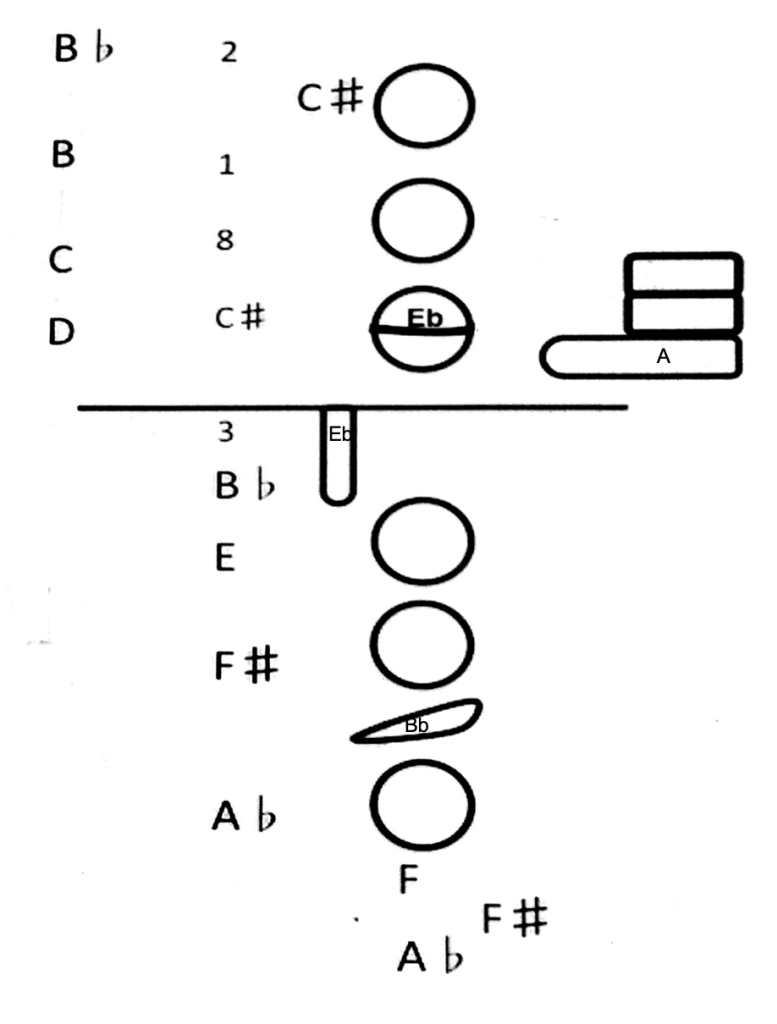
Template for the contraforte multiphonics

Play on the tip of the reed
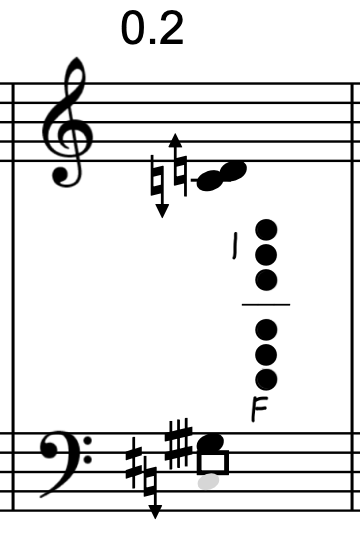
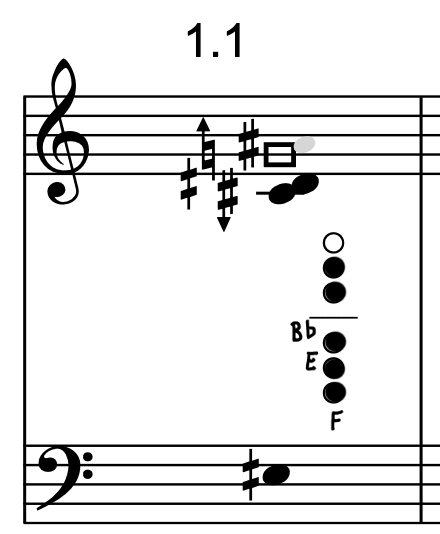
With a tight embouchure
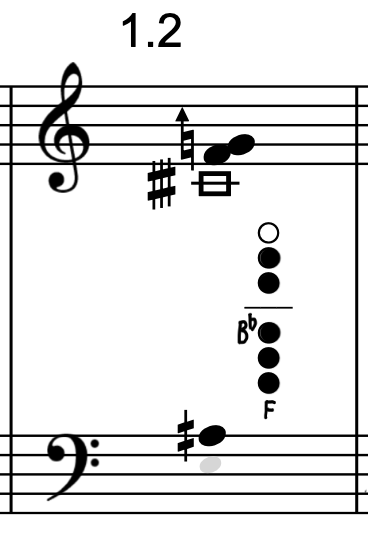


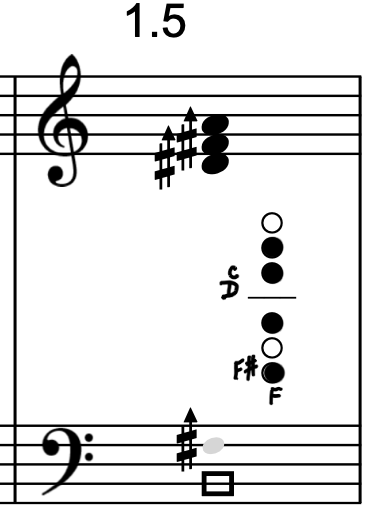
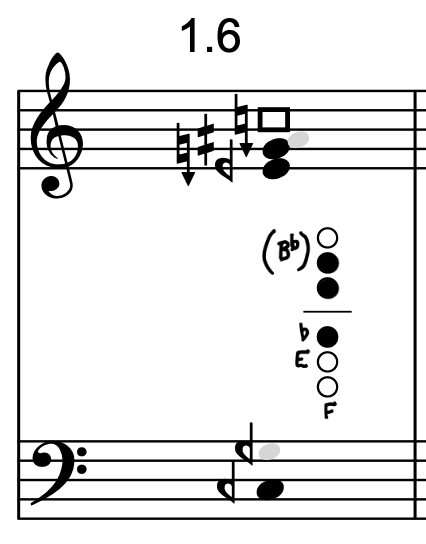
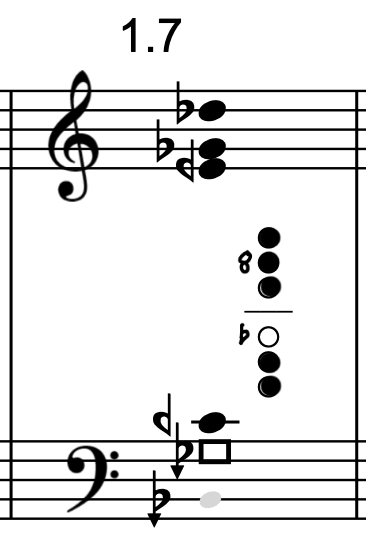
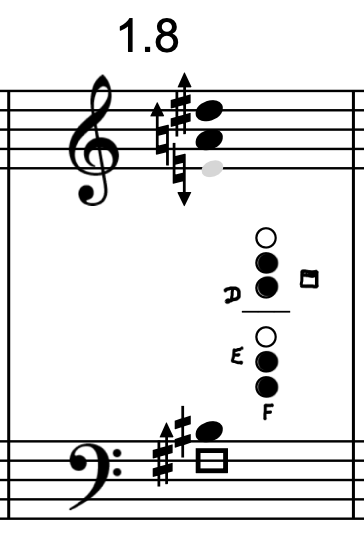
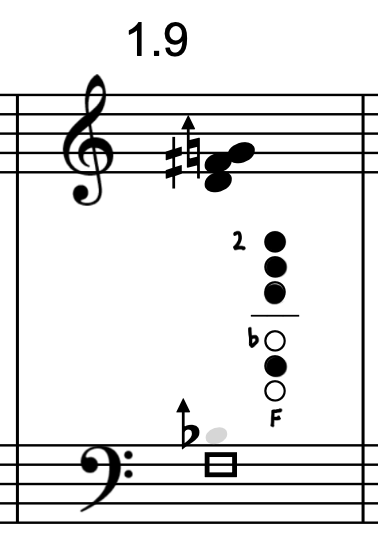
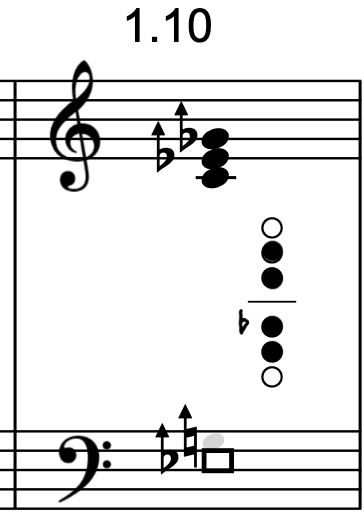
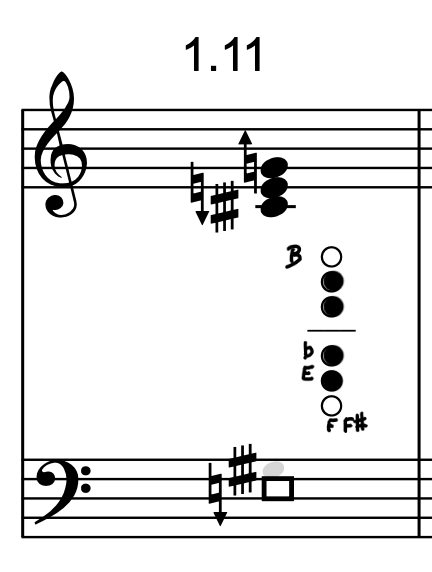
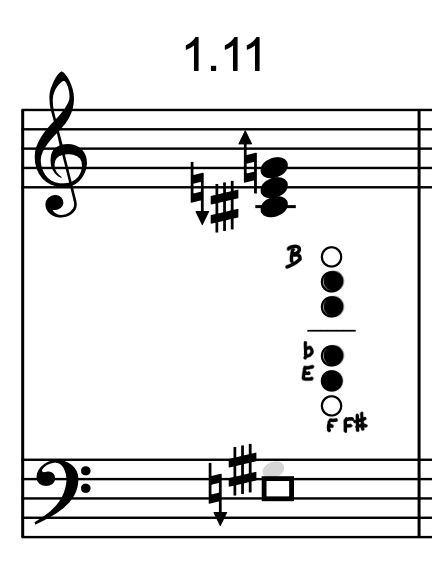
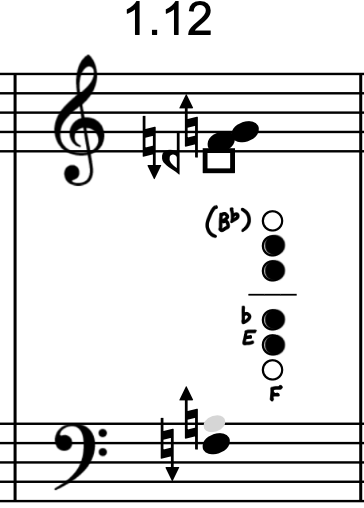

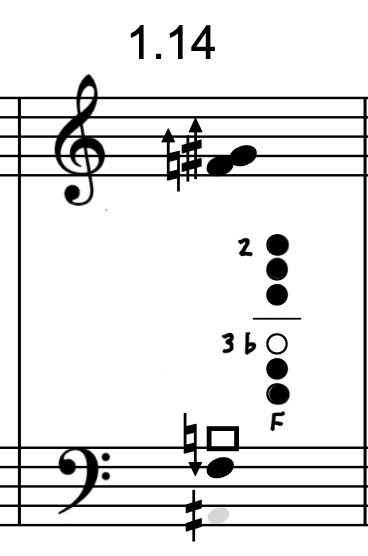
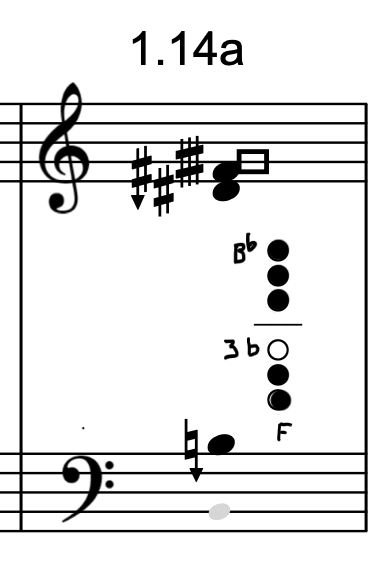
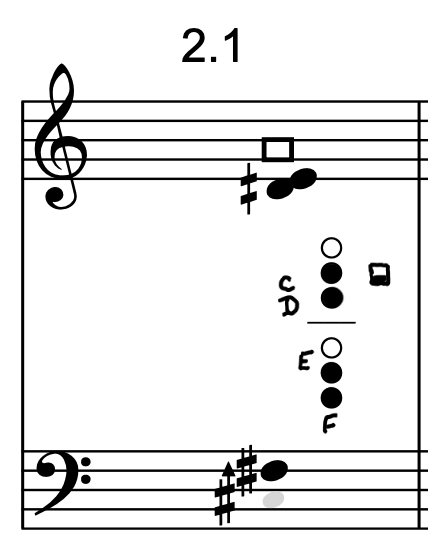

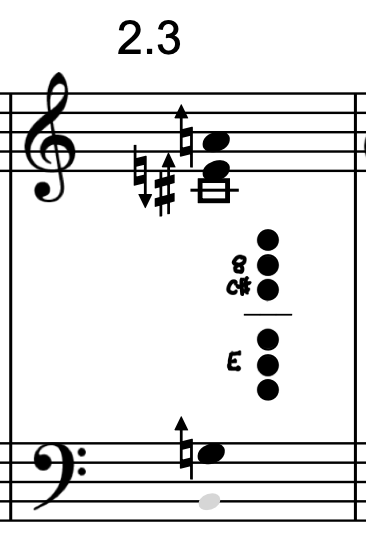
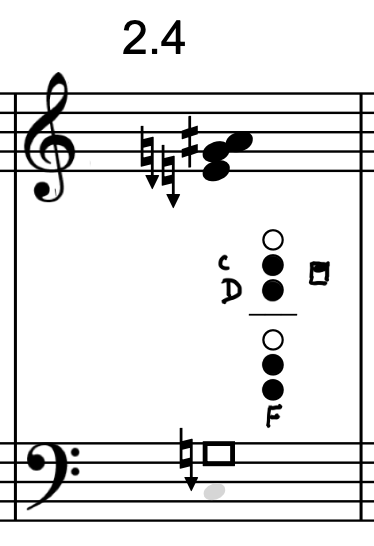
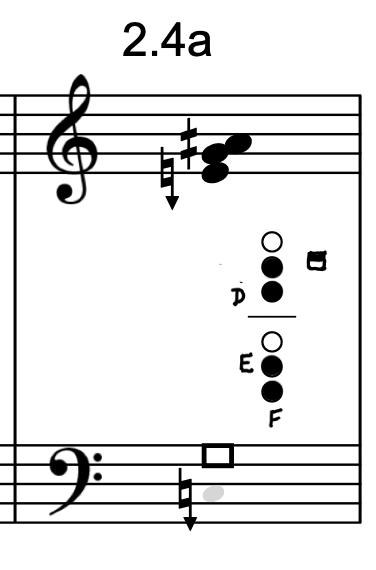

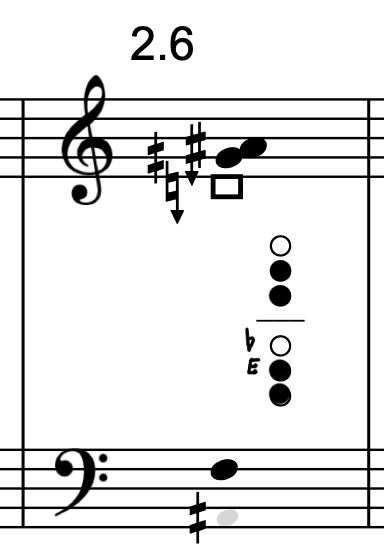
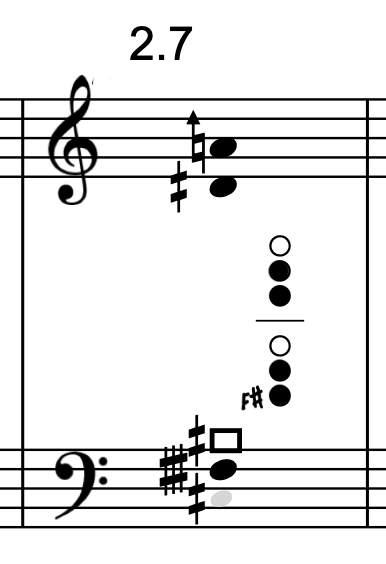
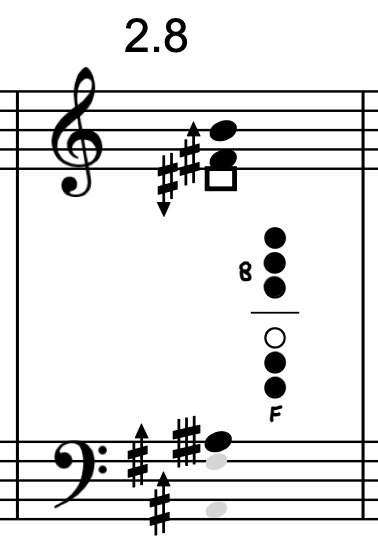
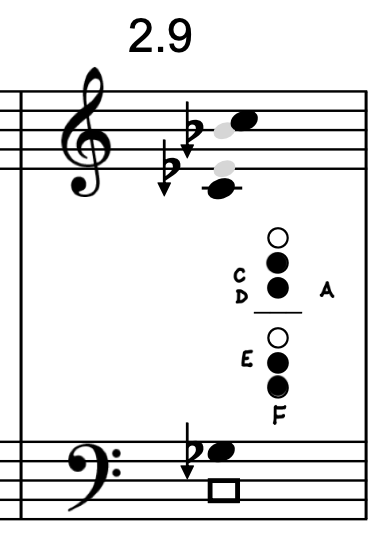
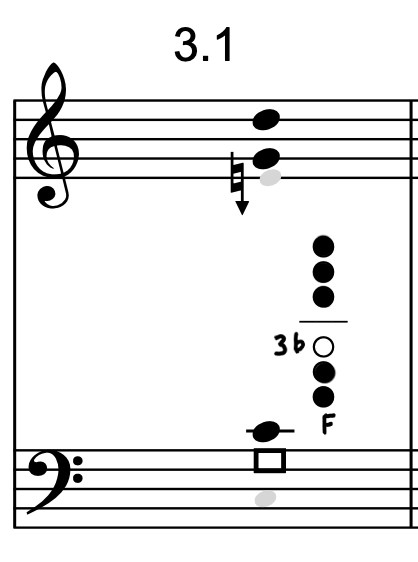
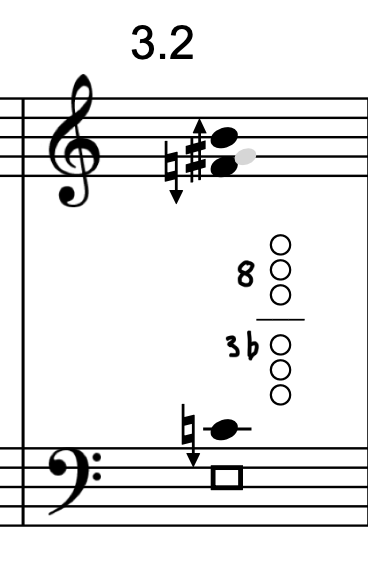

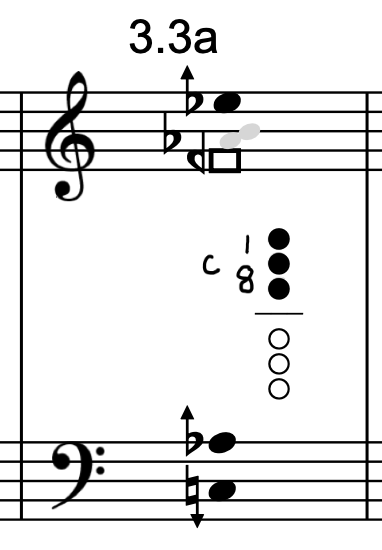

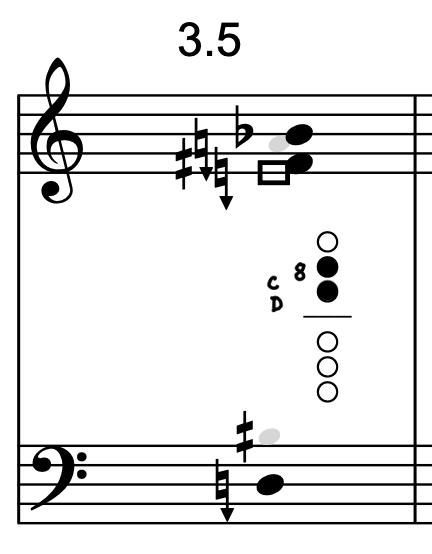
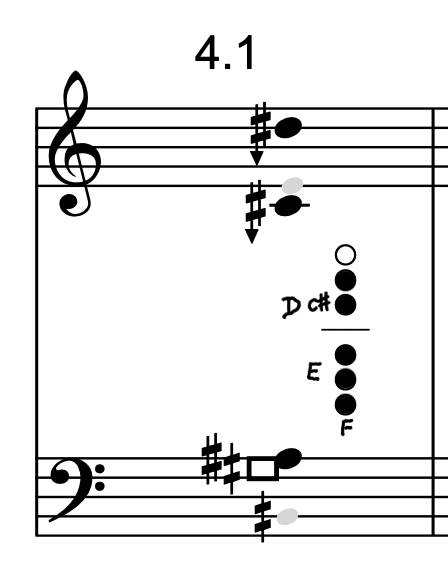
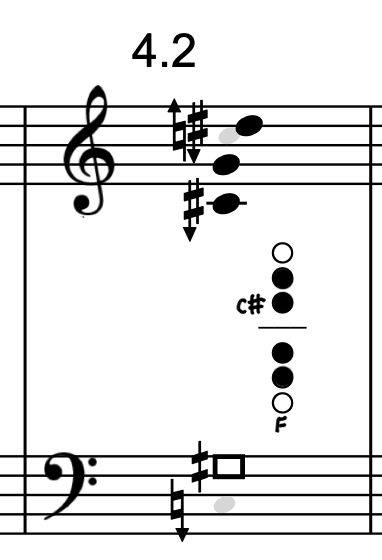
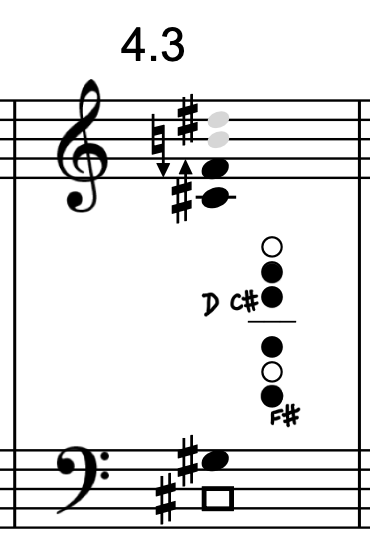
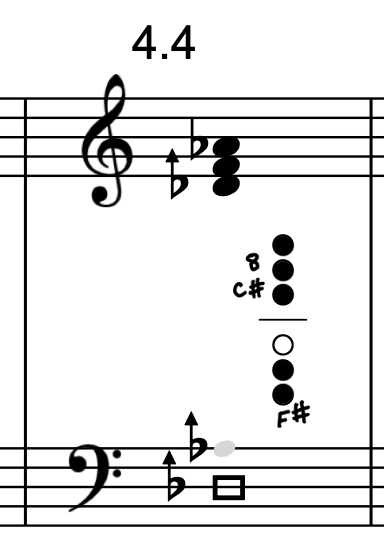
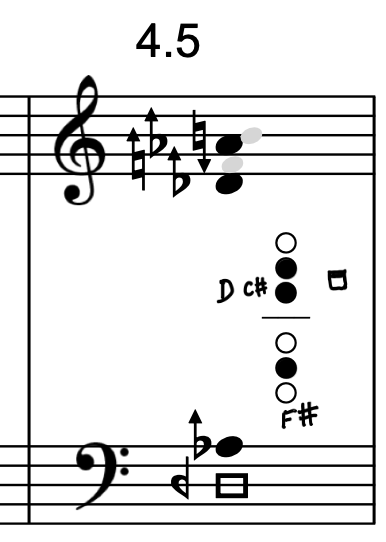
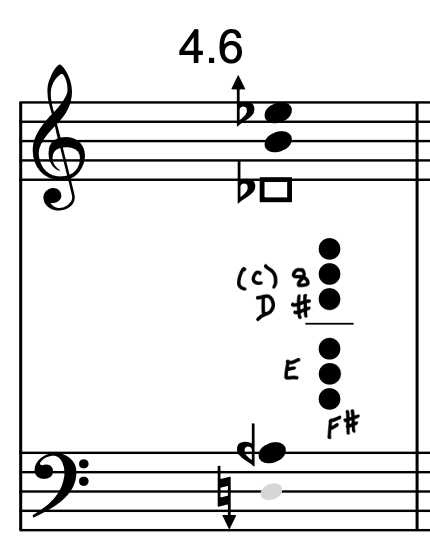
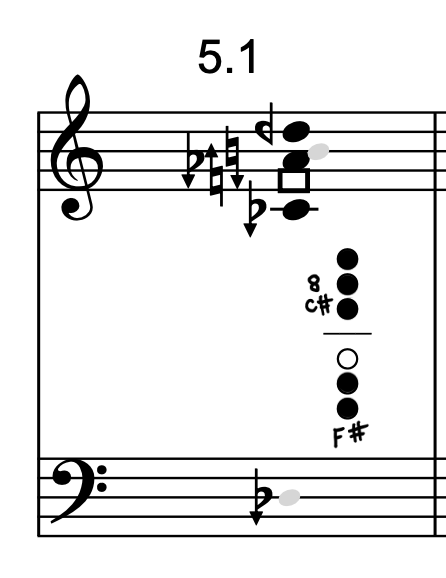
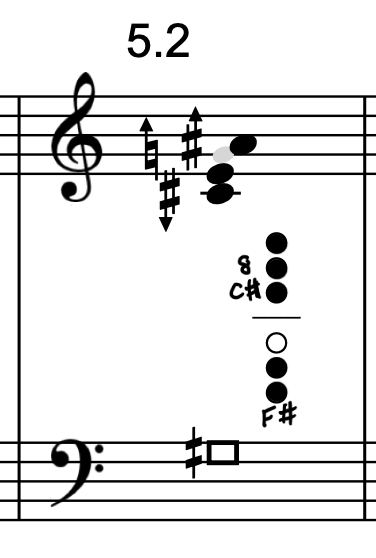
This is the same fingering as the multiphonic above but I played on the tip of the reed to produce this.
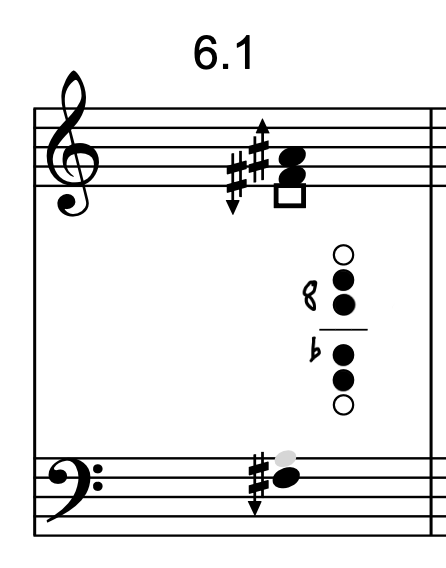

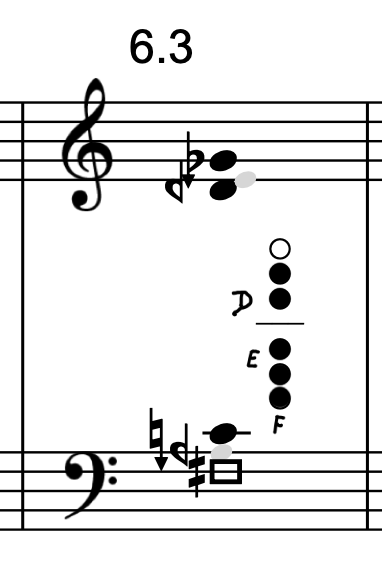
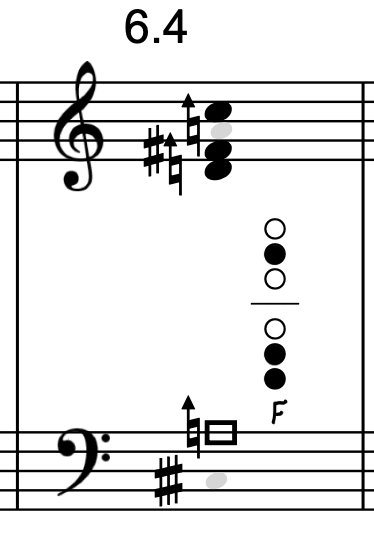
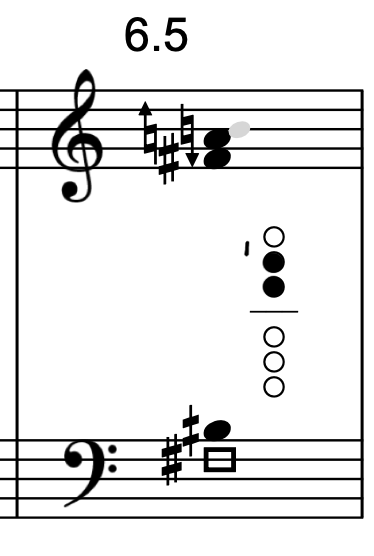

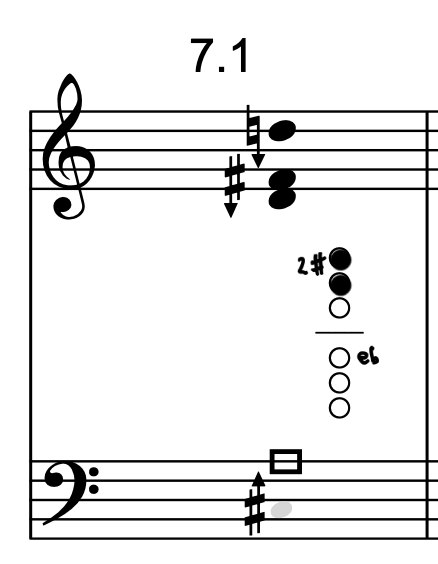
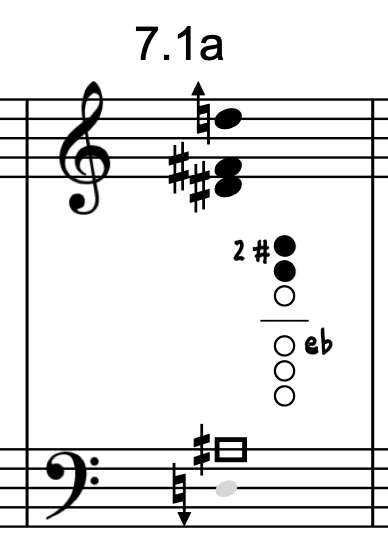
Use a tight embouchure
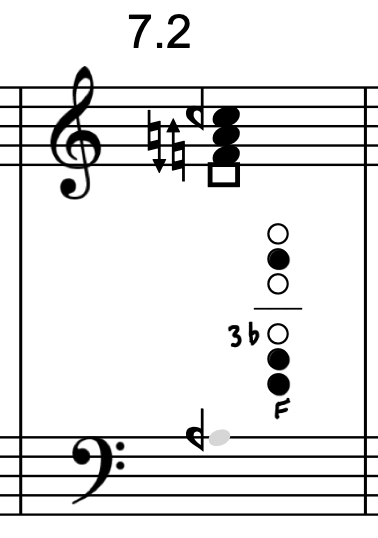
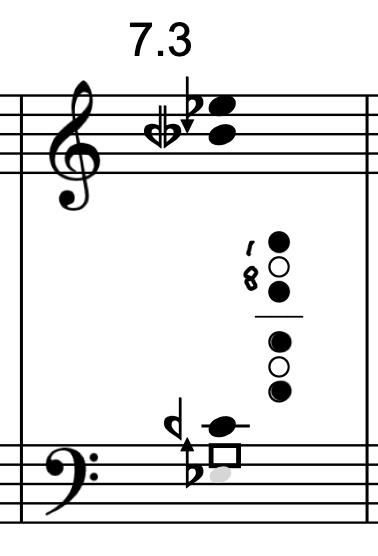
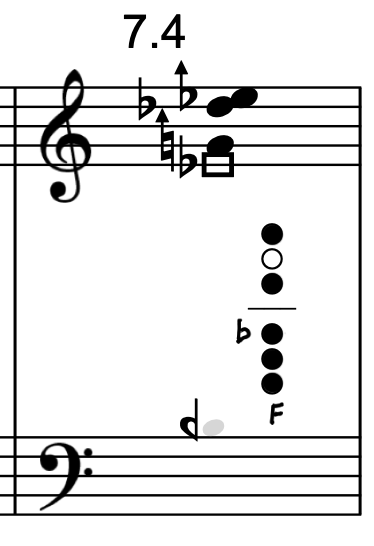
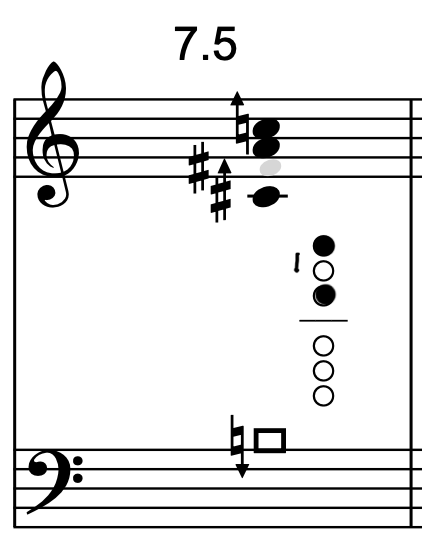
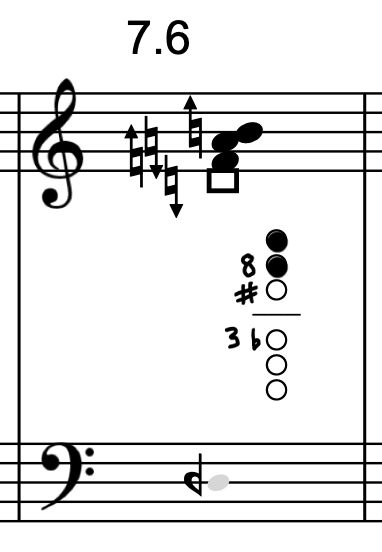
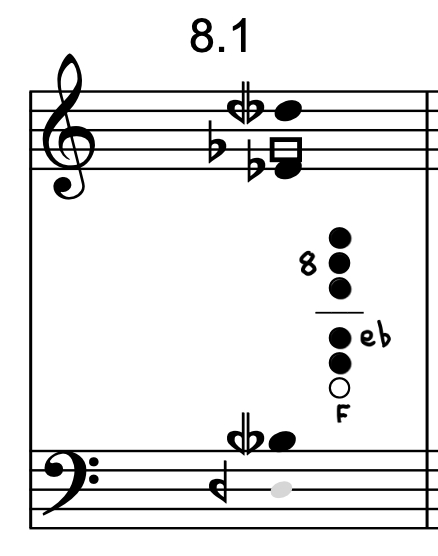
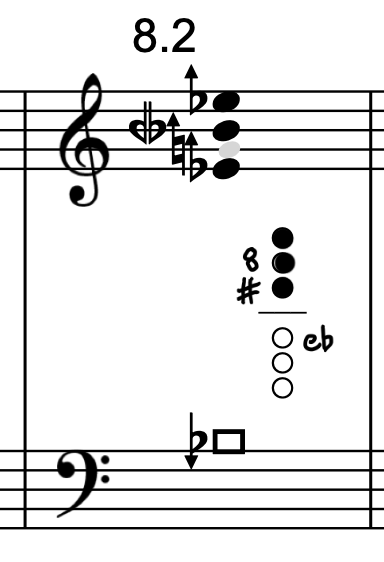
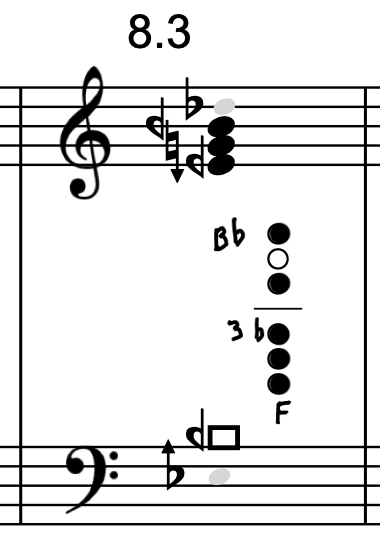
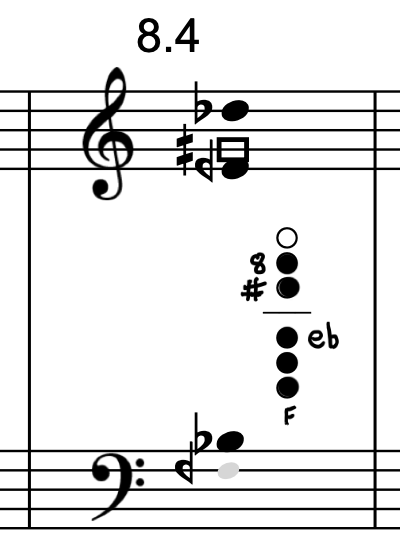
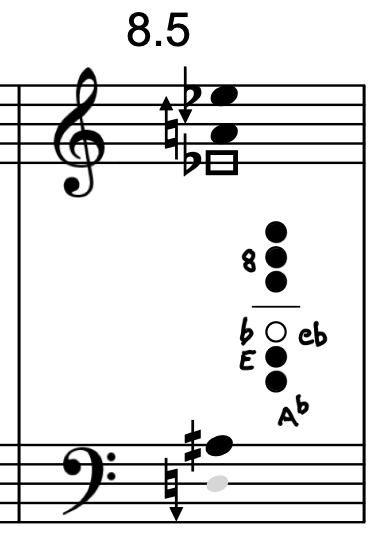

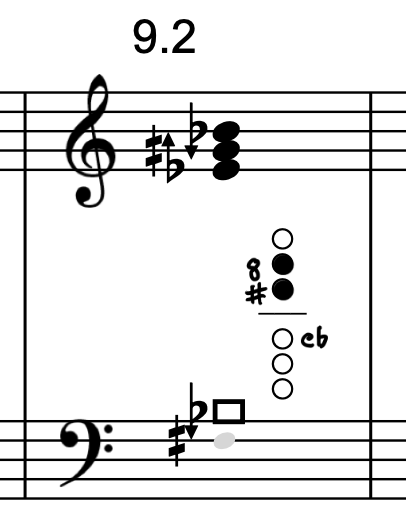
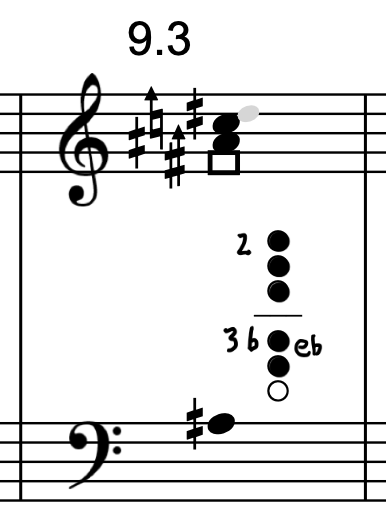
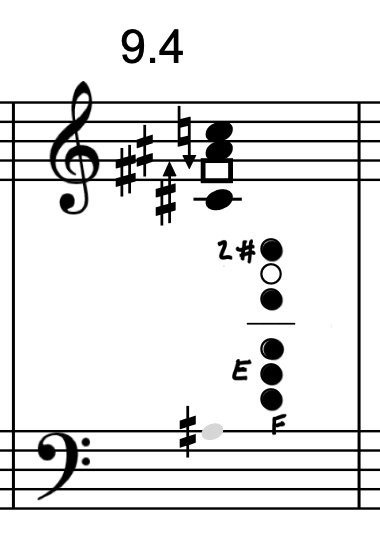
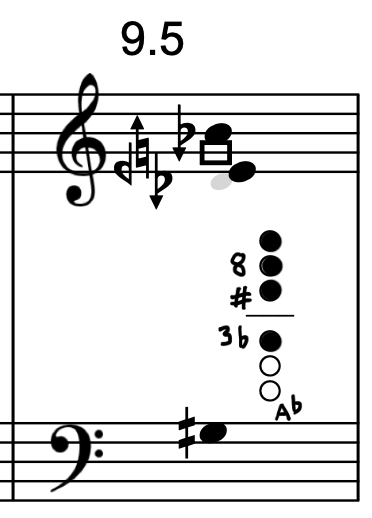

Play on the tip of the reed.
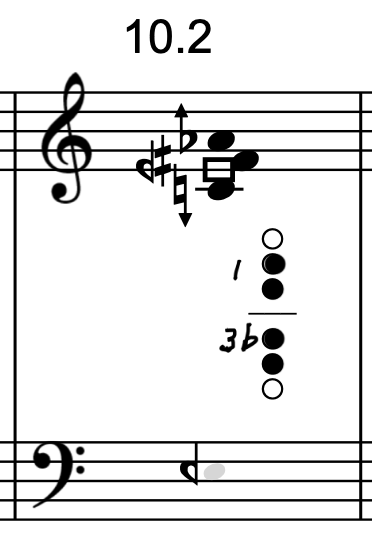
Play on the tip of the reed.

Play on the back of the reed.

Play on the tip of the reed.
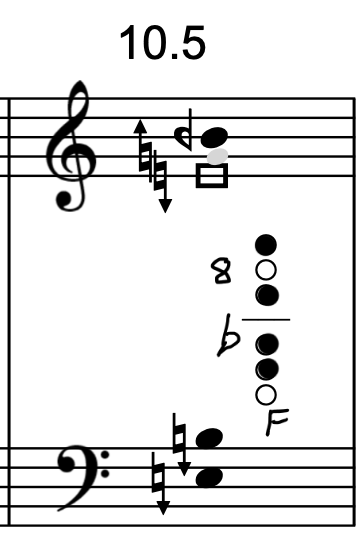
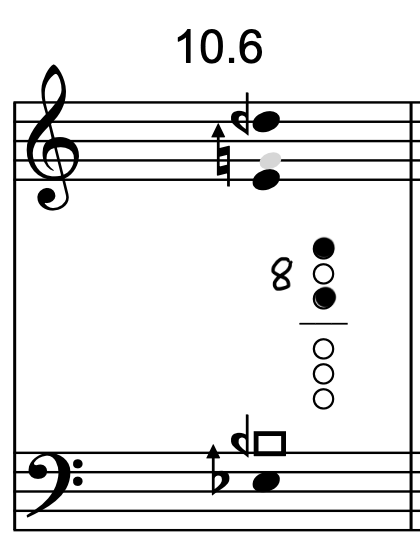
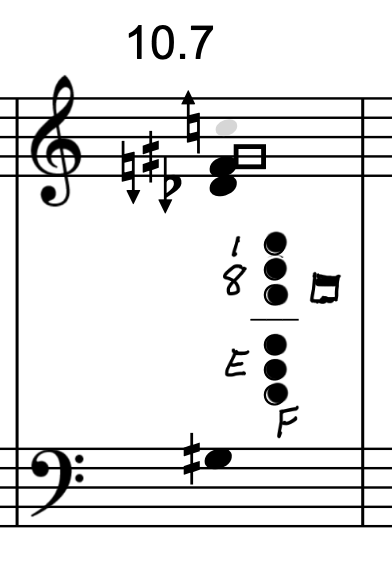
Play on the tip of the reed.
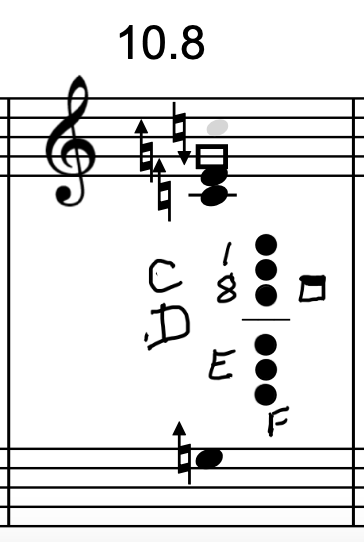
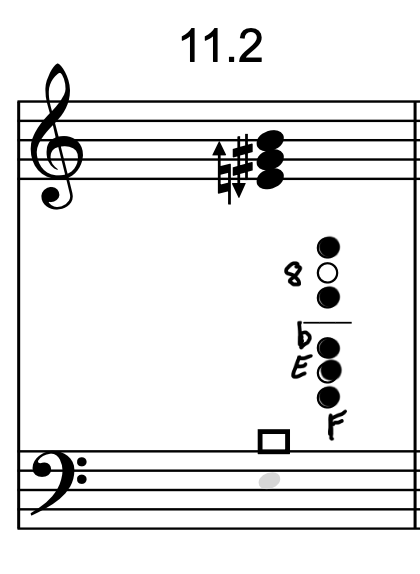
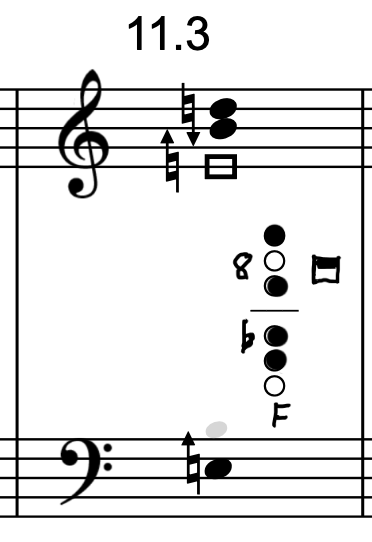
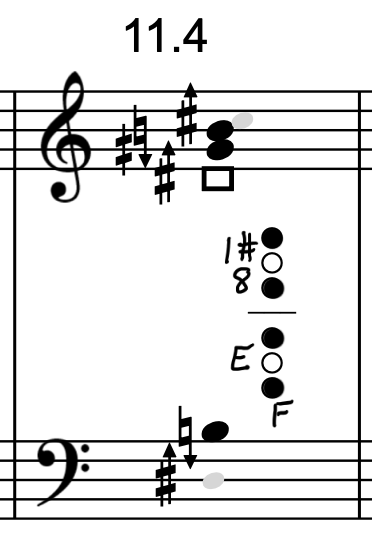
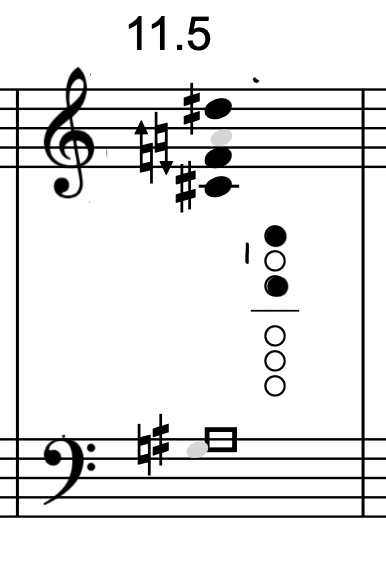
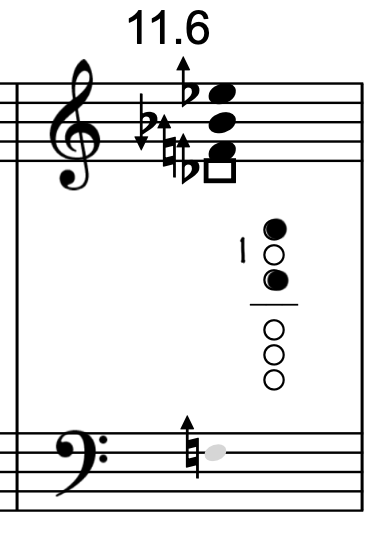
Play using teeth on the reed.
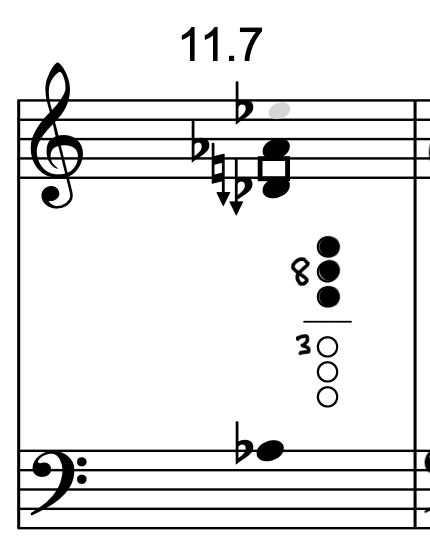
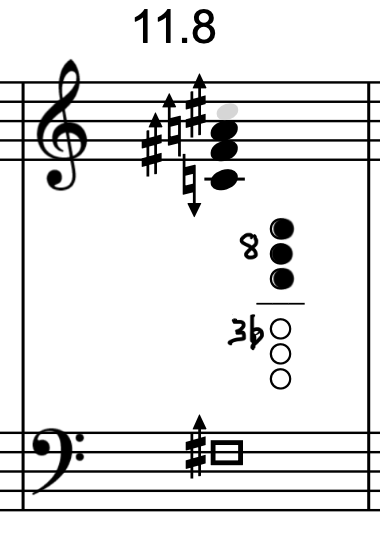
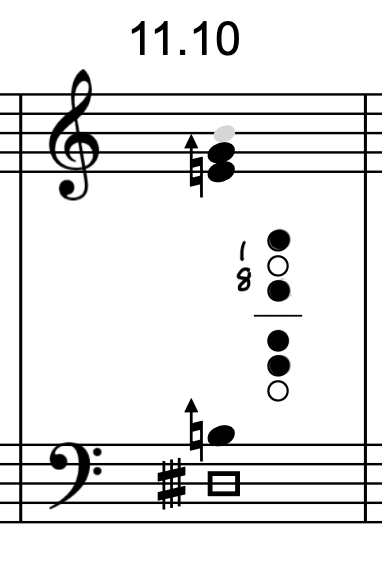
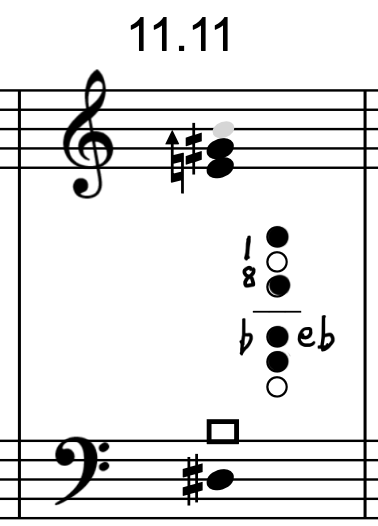
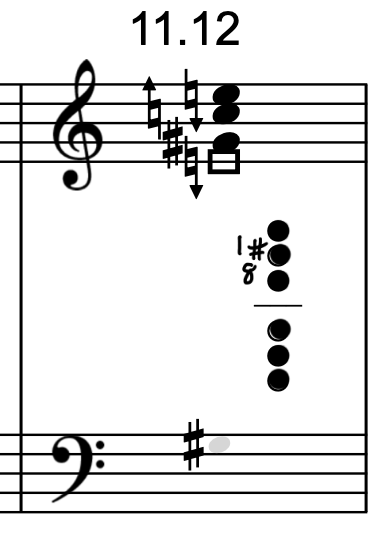
Almost swallowing the reed.
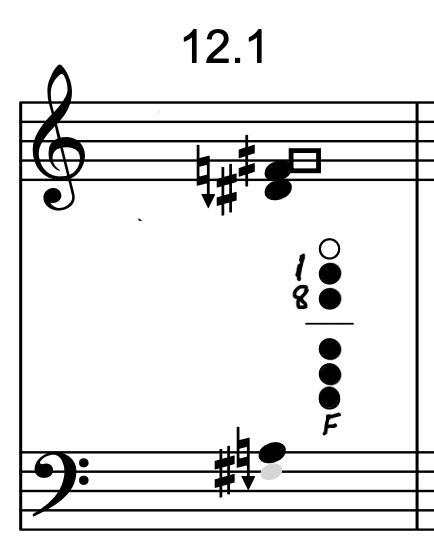
Play more at the back of the reed
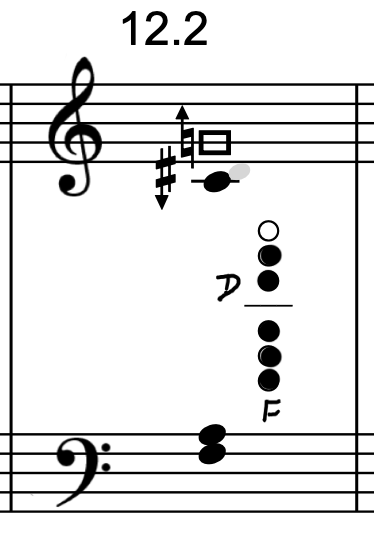
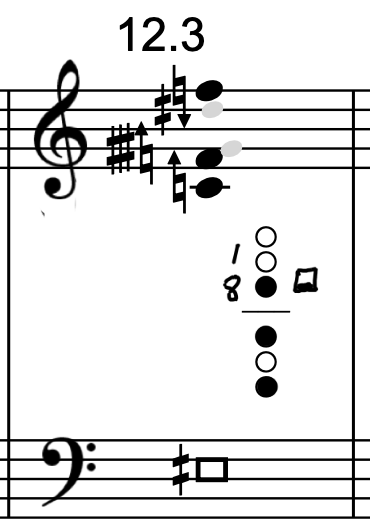
Play near the tip of the reed.
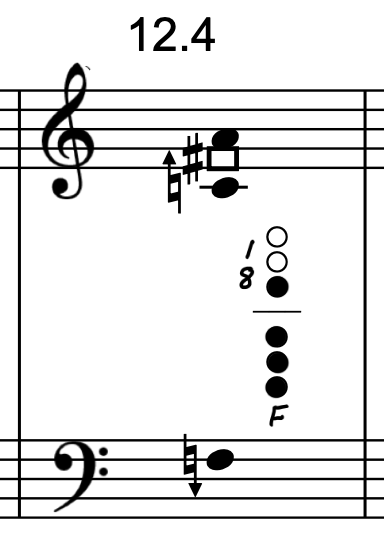
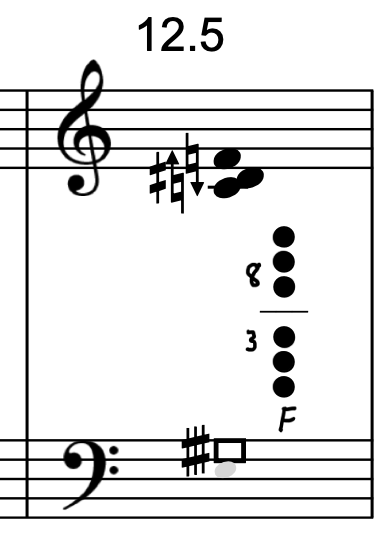
Play near the tip of the reed
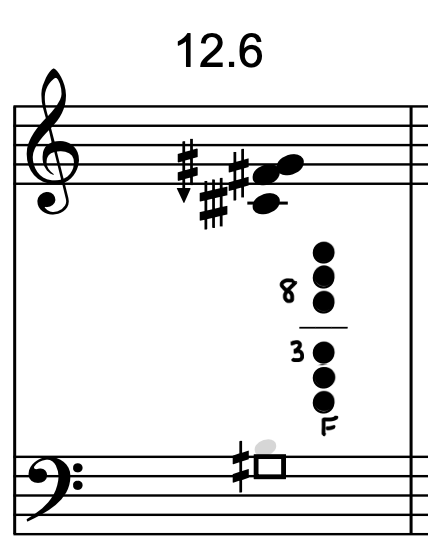
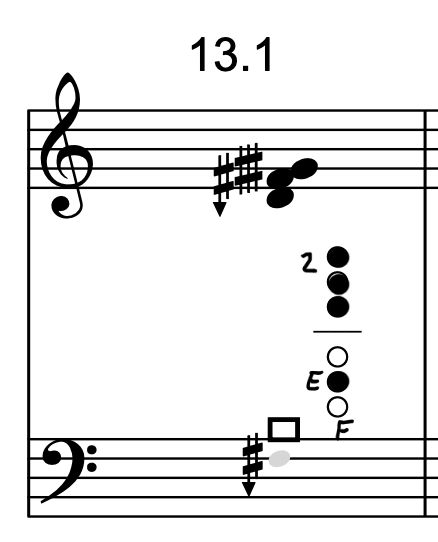


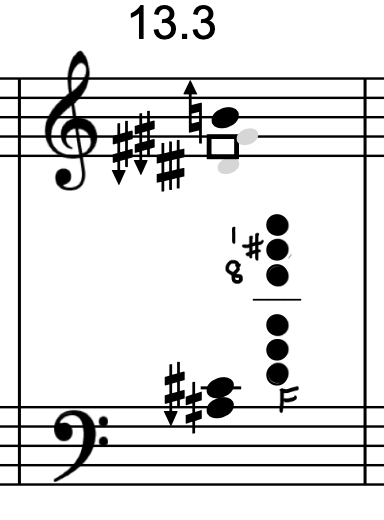
Swallow the reed
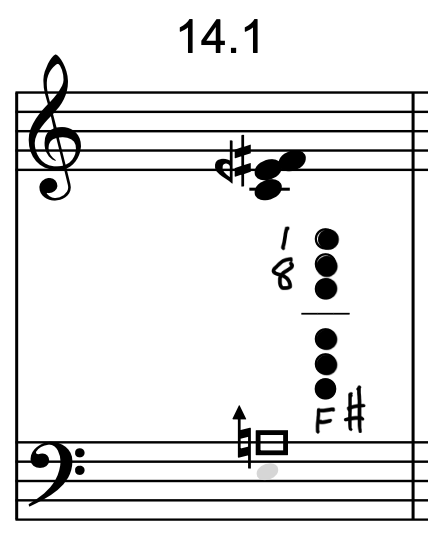
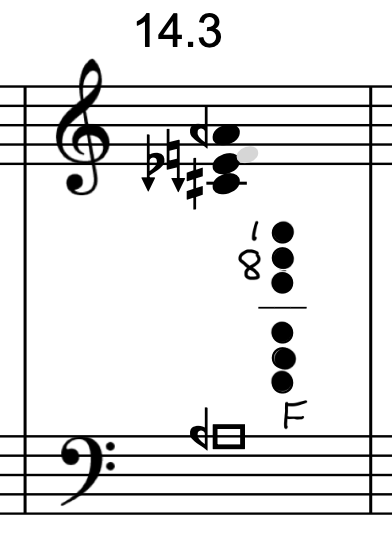
Play near the tip of the reed
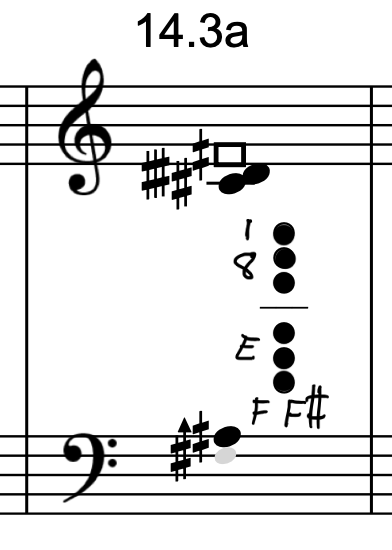
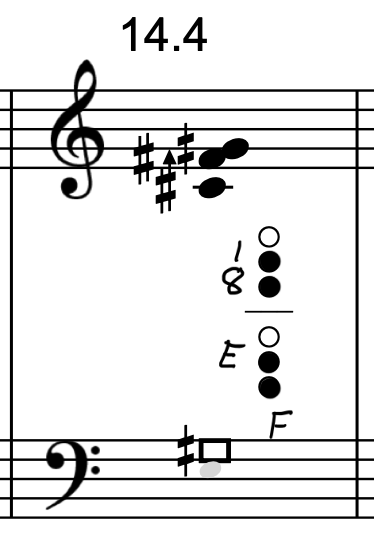
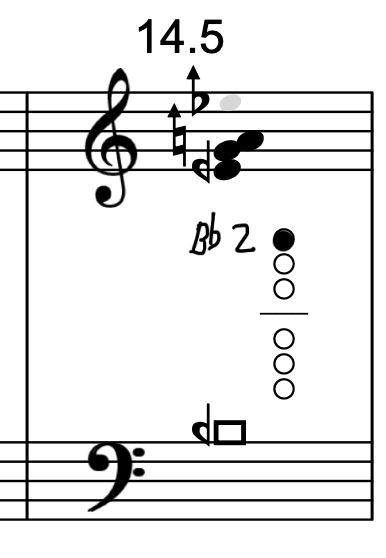
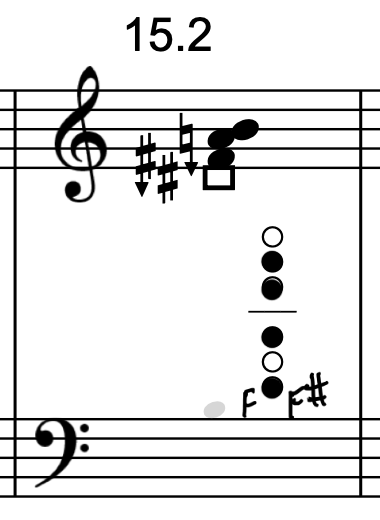
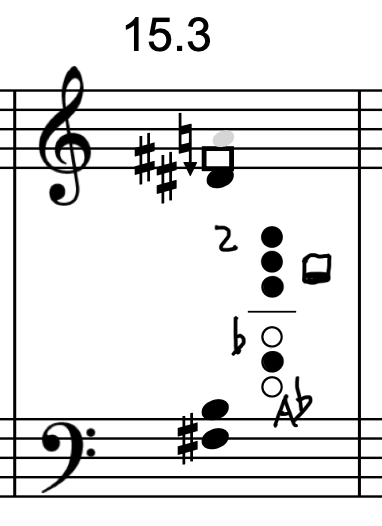
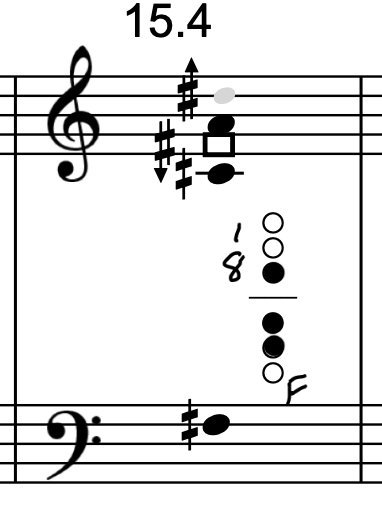
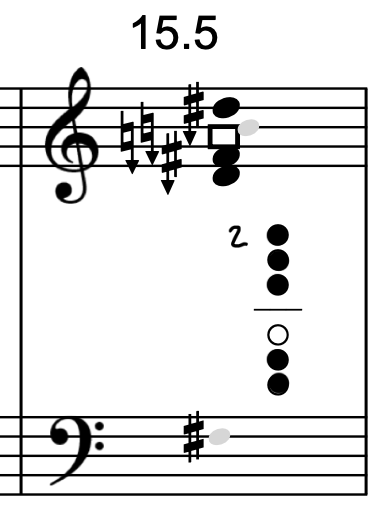
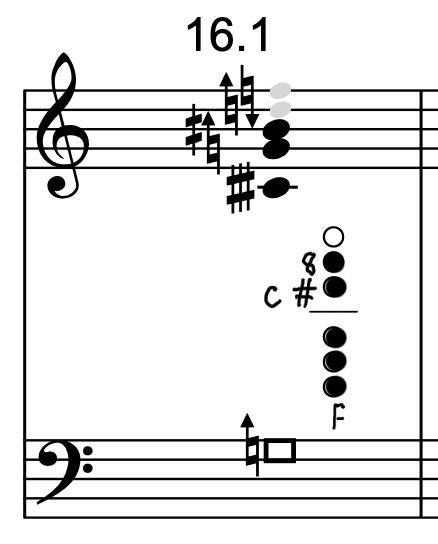

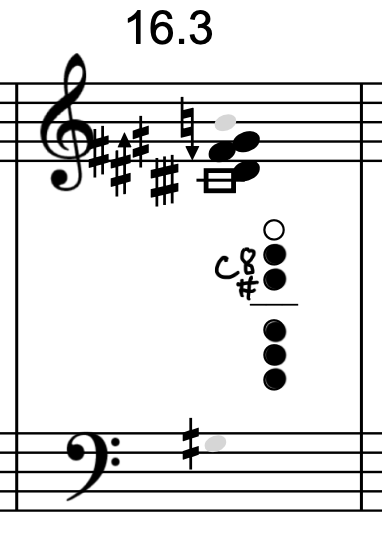
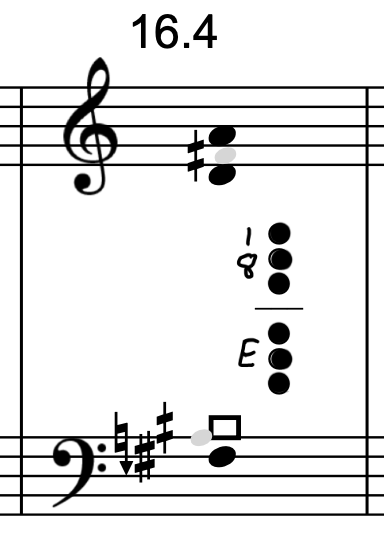
Play at the back of the reed

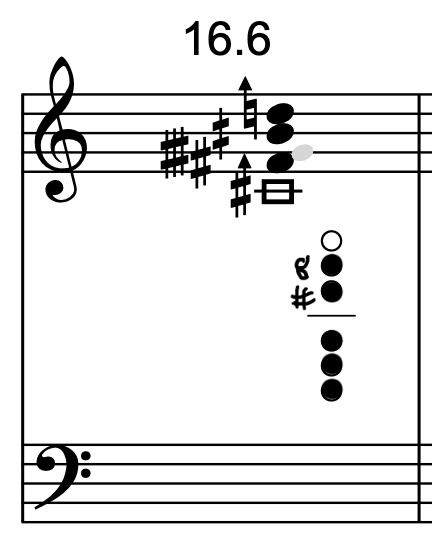
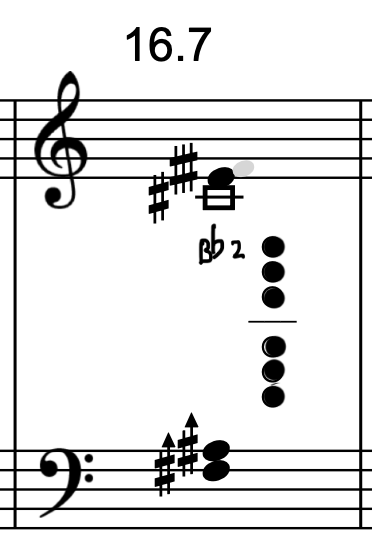
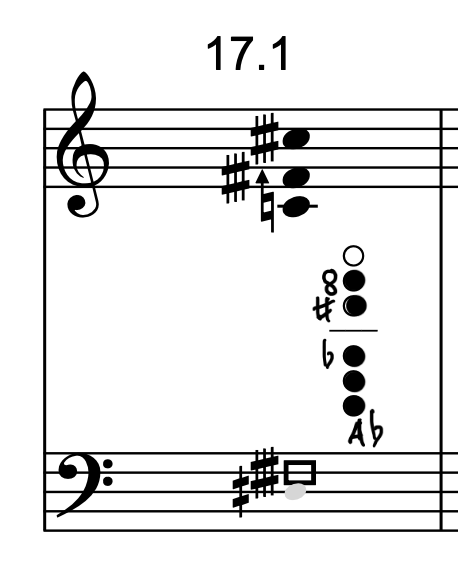
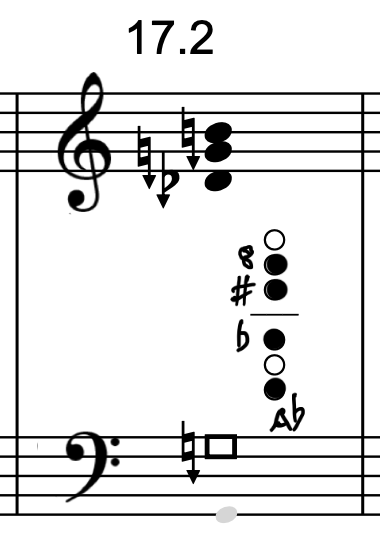
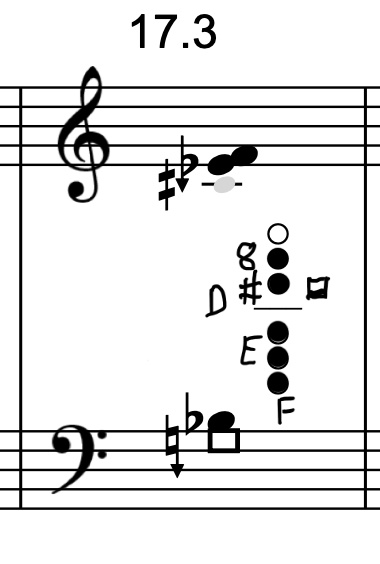
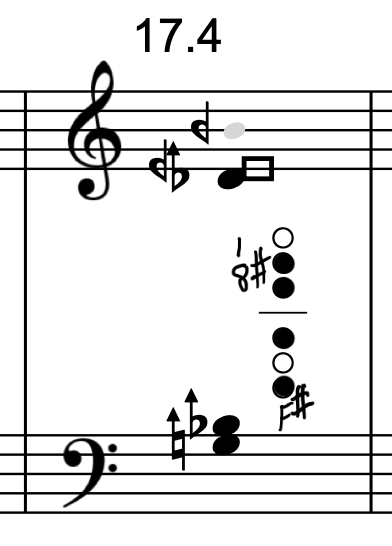
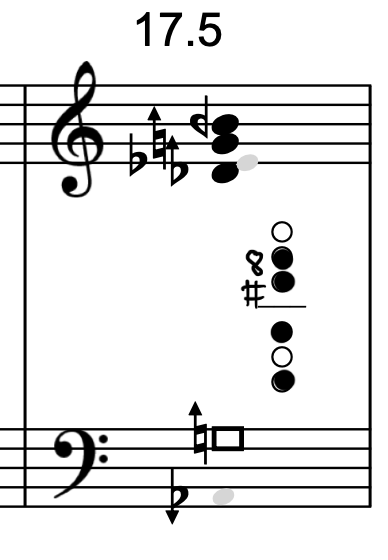

Play with a loose embouchure
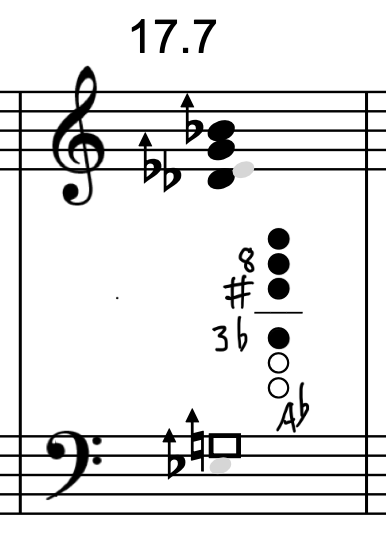

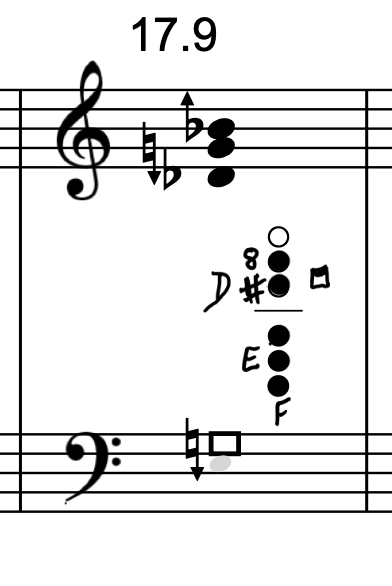
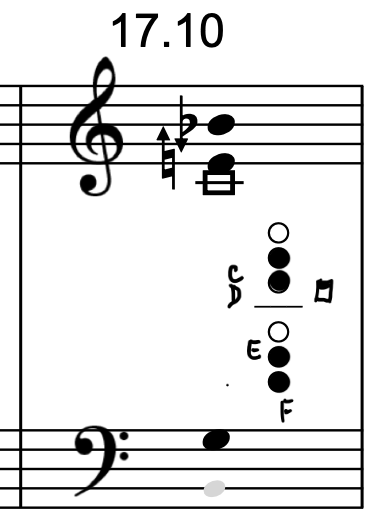

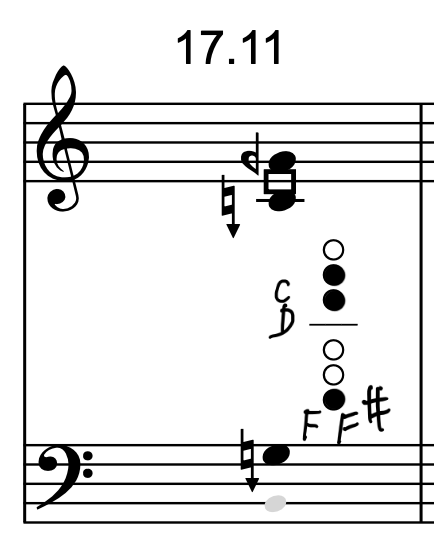
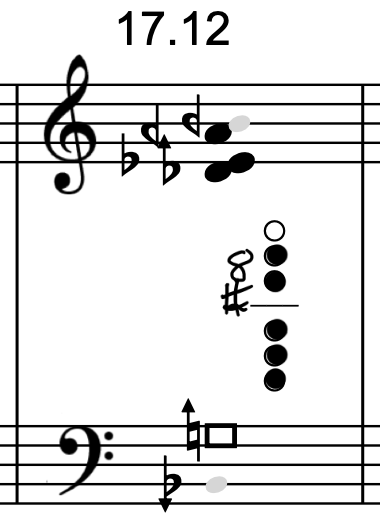
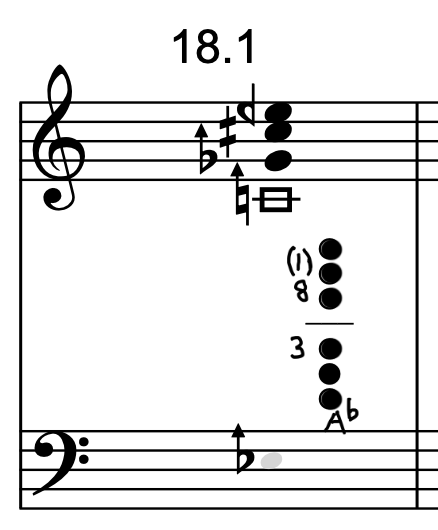
Play using a loose embouchure and almost swallow the reed
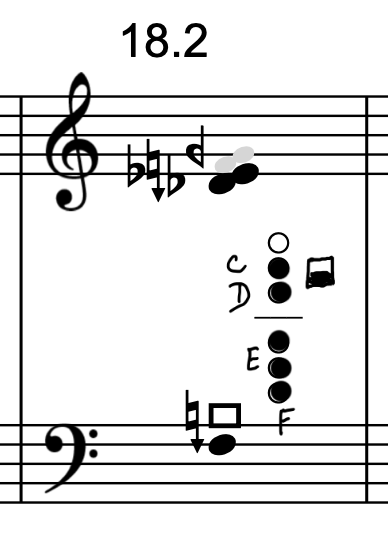
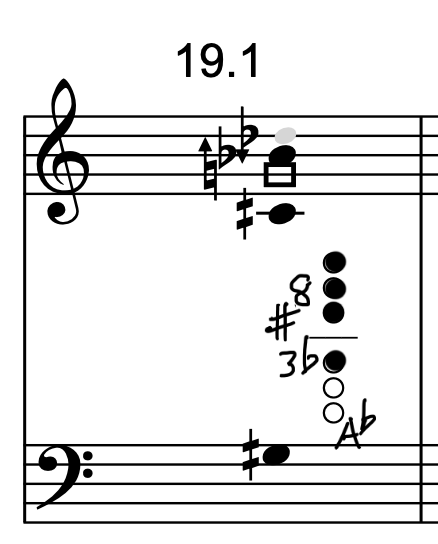
Play near the tip of the reed
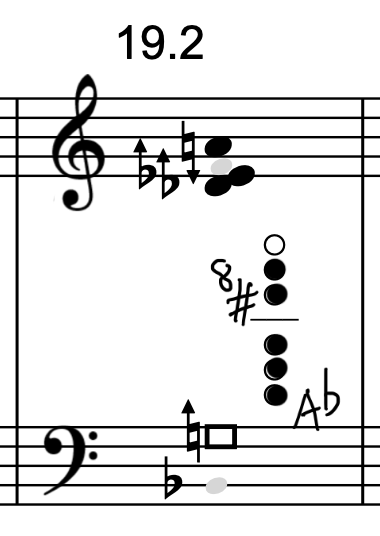
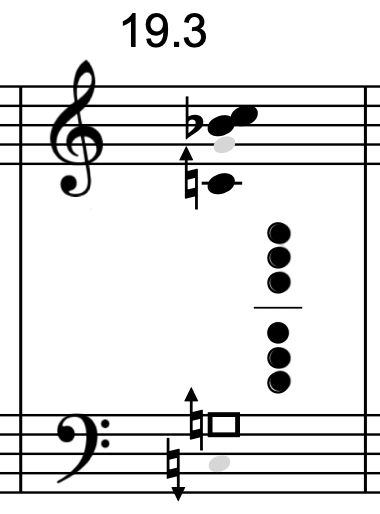
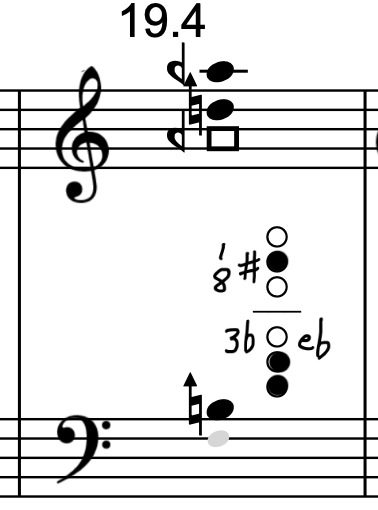
Play with a tight embouchure near the back of the reed
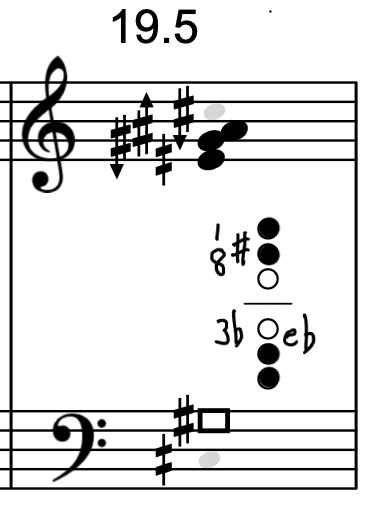
Play with a loose embouchure
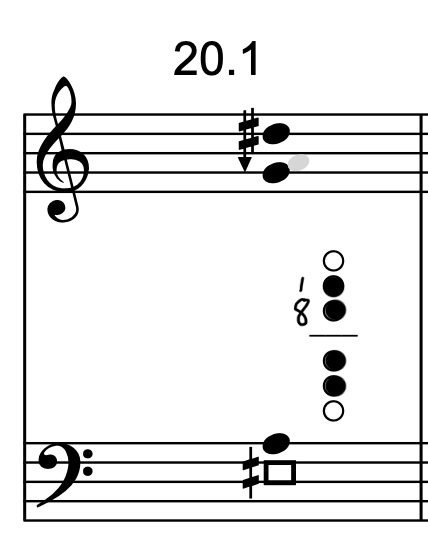
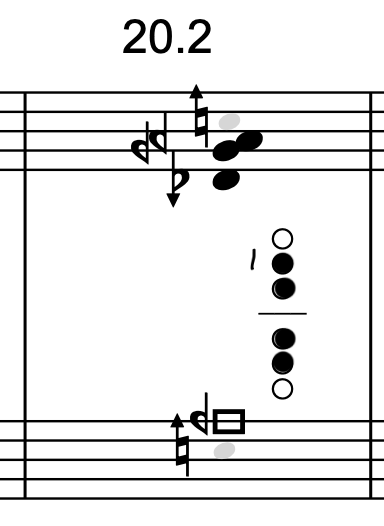
Play in the middle of the reed
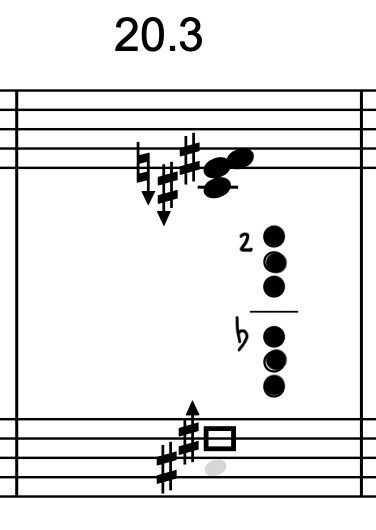
Play near the tip of the reed
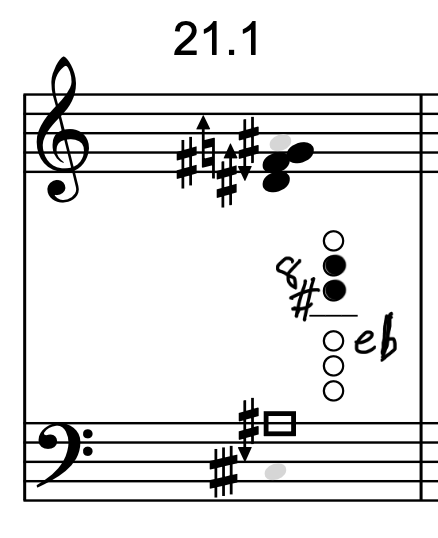
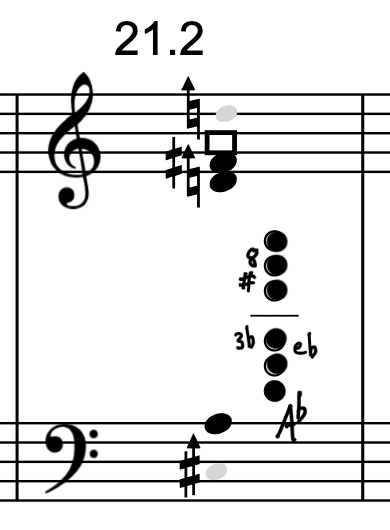


Play in the middle of the reed
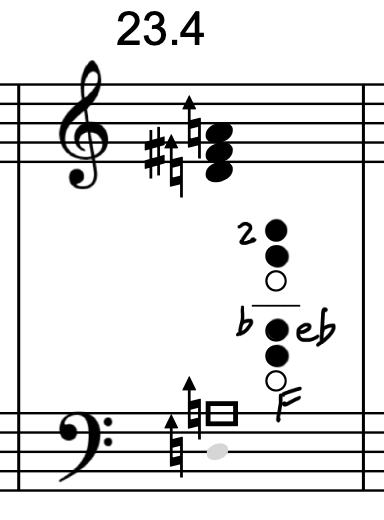
Play in the middle of the reed
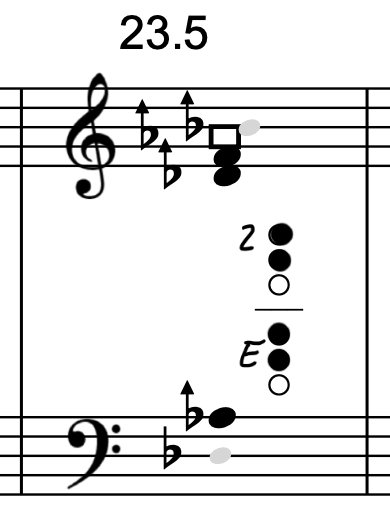
Using a hard reed works best to get this multiphonic

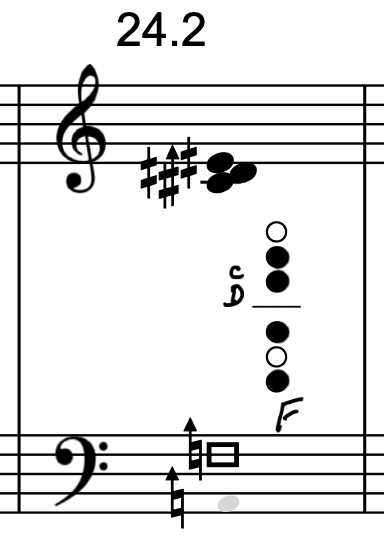
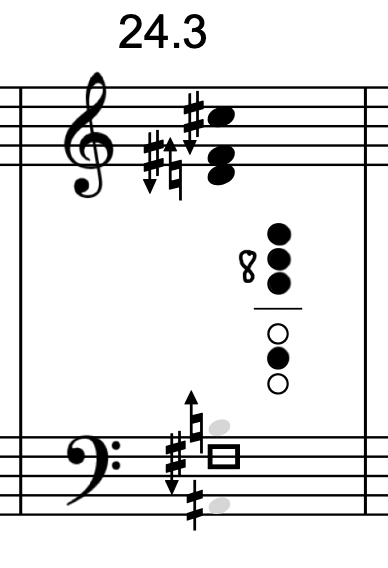
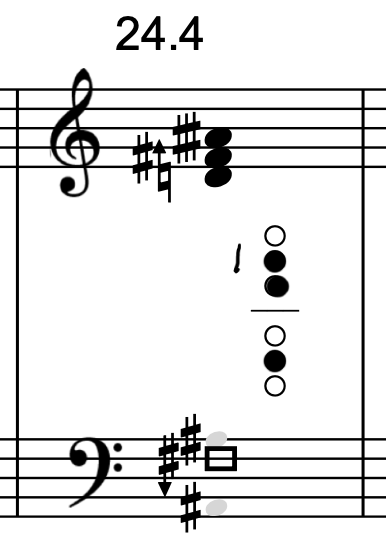
Play near the tip of the reed
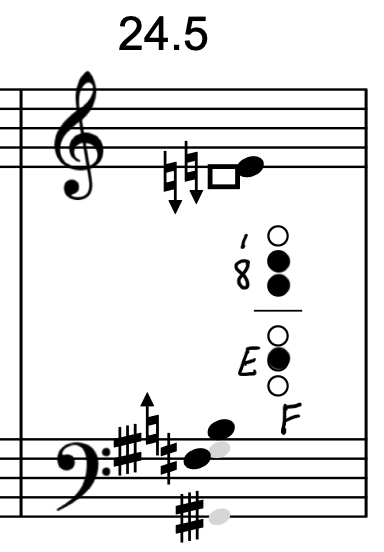
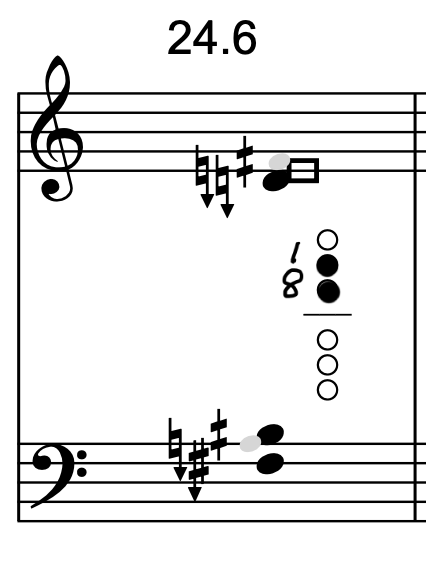
Play near the tip of the reed
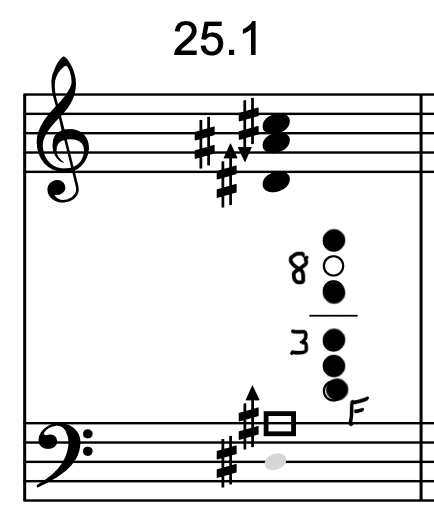
Play at the back of the reed
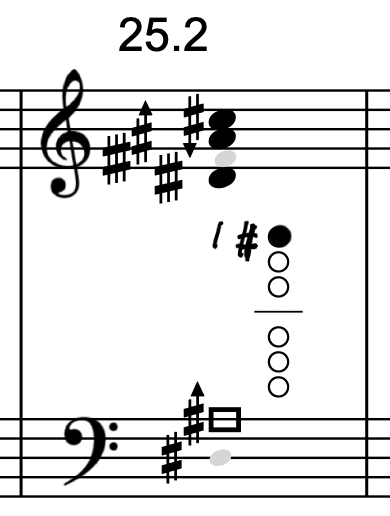
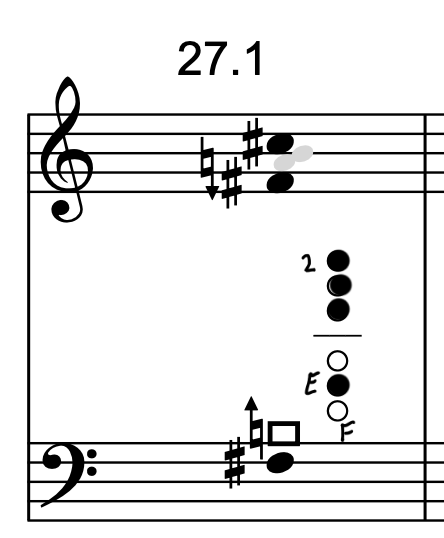
Position the reed fully in your mouth, as if you are swallowing it
 Contemporary Contraforte